Q
A
What are the best practices for using the Infini API to manage multi-language content in travel platforms?
A
The best practices for using the Infini API to manage multi-language content in travel platforms include:
1. Consistent Localization: Ensure consistent localization across all content by using standard translation practices and avoiding discrepancies.
2. Dynamic Language Switching: Implement dynamic language switching capabilities to allow users to choose their preferred language seamlessly.
3. Content Management: Organize and manage multi-language content effectively by categorizing and storing translations in a structured manner.
4. Quality Assurance: Perform regular quality assurance checks on translations to maintain accuracy and relevance.
5. User Feedback: Incorporate user feedback to continuously improve language support and address any issues with translations.
6. Integration Testing: Conduct thorough integration testing to ensure that multi-language content is displayed correctly across different platforms and devices.
7. Documentation: Refer to Infini’s documentation for detailed guidelines on implementing and managing multi-language content.
For more information, visit Infini API.
In summary, best practices include consistent localization, dynamic language switching, effective content management, quality assurance, user feedback, integration testing, and thorough documentation.
Request A Quote
1. Consistent Localization: Ensure consistent localization across all content by using standard translation practices and avoiding discrepancies.
2. Dynamic Language Switching: Implement dynamic language switching capabilities to allow users to choose their preferred language seamlessly.
3. Content Management: Organize and manage multi-language content effectively by categorizing and storing translations in a structured manner.
4. Quality Assurance: Perform regular quality assurance checks on translations to maintain accuracy and relevance.
5. User Feedback: Incorporate user feedback to continuously improve language support and address any issues with translations.
6. Integration Testing: Conduct thorough integration testing to ensure that multi-language content is displayed correctly across different platforms and devices.
7. Documentation: Refer to Infini’s documentation for detailed guidelines on implementing and managing multi-language content.
For more information, visit Infini API.
In summary, best practices include consistent localization, dynamic language switching, effective content management, quality assurance, user feedback, integration testing, and thorough documentation.

The Travelport API supports the integration of ancillary services in a travel booking system by:
1. Ancillary Service Catalog: Providing access to a comprehensive catalog of ancillary services, such as baggage, meals, and seat selection.
2. Seamless Integration: Enabling seamless integration of ancillary services into the booking flow, allowing users to add services during the booking process.
3. Real-Time Availability: Offering real-time ava...
Read More
1. Ancillary Service Catalog: Providing access to a comprehensive catalog of ancillary services, such as baggage, meals, and seat selection.
2. Seamless Integration: Enabling seamless integration of ancillary services into the booking flow, allowing users to add services during the booking process.
3. Real-Time Availability: Offering real-time ava...
Using the HitchHiker API for dynamic pricing in a B2C platform presents several challenges:
1. Complexity of Dynamic Pricing Models: Implementing dynamic pricing requires understanding and configuring complex pricing models that adjust in real-time based on demand, supply, and other factors.
2. Integration with Existing Systems: The API needs to be integrated seamlessly with existing B2C systems, including booking engines and customer relationship management (...
Read More
1. Complexity of Dynamic Pricing Models: Implementing dynamic pricing requires understanding and configuring complex pricing models that adjust in real-time based on demand, supply, and other factors.
2. Integration with Existing Systems: The API needs to be integrated seamlessly with existing B2C systems, including booking engines and customer relationship management (...

The Sabre API is highly effective for managing complex airline partnerships and alliances due to its advanced functionalities.
Firstly, it provides tools for integrating various airline systems and data sources. This integration capability allows airlines to share information on schedules, availability, and pricing, facilitating seamless collaboration between partners.
The API also supports comprehensive management of interline agreements and codeshare arrangements. It helps in automat...
Read More
Firstly, it provides tools for integrating various airline systems and data sources. This integration capability allows airlines to share information on schedules, availability, and pricing, facilitating seamless collaboration between partners.
The API also supports comprehensive management of interline agreements and codeshare arrangements. It helps in automat...
A B2B (Business-to-Business) travel agency system is a platform designed for companies to facilitate travel arrangements and services among themselves rather than directly with consumers. In this model, travel agencies or service providers operate with other businesses, offering tools and services such as booking engines, inventory management, and customer support to help these businesses manage their travel needs efficiently. This system often integrates with various suppliers, such as airlines...
Read More

The Amadeus API is a set of tools and services provided by Amadeus, a global leader in the travel and tourism industry. It allows developers to access a wide range of travel-related data and functionalities, such as flight search, hotel booking, car rental, and airport information. By integrating these APIs into their travel applications, Amadeus API developers can create custom travel solutions, streamline booking processes, and offer enhanced experiences to users. The Amadeus APIs are designed...
Read More
The Amadeus API supports ancillary revenue generation for airlines through:
1. Ancillary Services Integration: Allows airlines to offer and manage ancillary services such as baggage, seat selection, and onboard services.
2. Dynamic Pricing: Supports dynamic pricing for ancillary services to optimize revenue.
3. Upselling Opportunities: Facilitates upselling of additional services during the booking process.
4. Revenue Management...
Read More
1. Ancillary Services Integration: Allows airlines to offer and manage ancillary services such as baggage, seat selection, and onboard services.
2. Dynamic Pricing: Supports dynamic pricing for ancillary services to optimize revenue.
3. Upselling Opportunities: Facilitates upselling of additional services during the booking process.
4. Revenue Management...


When integrating the HitchHiker API for low-cost carriers, the following security protocols should be followed:
1. Data Encryption: Use encryption protocols (e.g., TLS/SSL) to protect data transmitted between the API and your systems.
2. Authentication and Authorization: Implement strong authentication mechanisms (e.g., OAuth) to ensure that only authorized users and systems can access the API.
3. API Keys and Tokens: Use secure API keys or t...
Read More
1. Data Encryption: Use encryption protocols (e.g., TLS/SSL) to protect data transmitted between the API and your systems.
2. Authentication and Authorization: Implement strong authentication mechanisms (e.g., OAuth) to ensure that only authorized users and systems can access the API.
3. API Keys and Tokens: Use secure API keys or t...
The benefits of using the SITA API for managing automated check-in processes for airlines include:
1. Efficiency: Streamlines the check-in process, reducing wait times and improving passenger flow.
2. Automation: Automates check-in procedures, minimizing manual input and reducing human error.
3. Real-Time Updates: Provides real-time updates on check-in status, flight changes, and boarding information.
4. Self-Service Options...
Read More
1. Efficiency: Streamlines the check-in process, reducing wait times and improving passenger flow.
2. Automation: Automates check-in procedures, minimizing manual input and reducing human error.
3. Real-Time Updates: Provides real-time updates on check-in status, flight changes, and boarding information.
4. Self-Service Options...
The flight aggregators are companies or online platforms that collect and compare flight information from various airlines and travel agencies. It may include GDS, third party APIs or global suppliers / consolidators. Its purpose is to help users find and book flights more efficiently by providing a comprehensive overview of available options.
Finding the best flight aggregator involves considering various factors to ensure you get accurate information, competitive prices, a...
Read More
Finding the best flight aggregator involves considering various factors to ensure you get accurate information, competitive prices, a...
Travel agency software is a comprehensive suite of tools designed to streamline and enhance the operations of travel agencies. It includes features for managing bookings, handling customer inquiries, processing payments, and maintaining detailed records. This software often integrates with various Global Distribution Systems (GDS) to access real-time information on flights, hotels, and car rentals, allowing travel agents to offer a wide range of services and options to their clients.
&nbs...
Read More
&nbs...

GET IN TOUCH
From Our Blog
30 JAN

Travel agent software is a powerful technology platform that brings
together travel services from multiple providers into a single,
easy-to-use interface. It simplifies booking operations for travel
agencies and their customers by enabling seam...
30 JAN
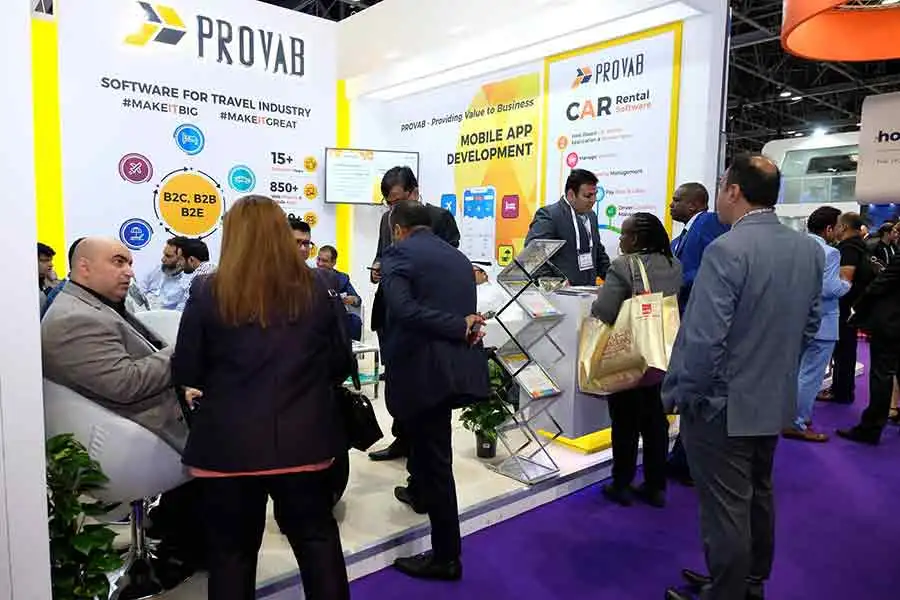
Travel agent software is a powerful technology platform that brings
together travel services from multiple providers into a single,
easy-to-use interface. It simplifies booking operations for travel
agencies and their customers by enabling seam...
30 JAN
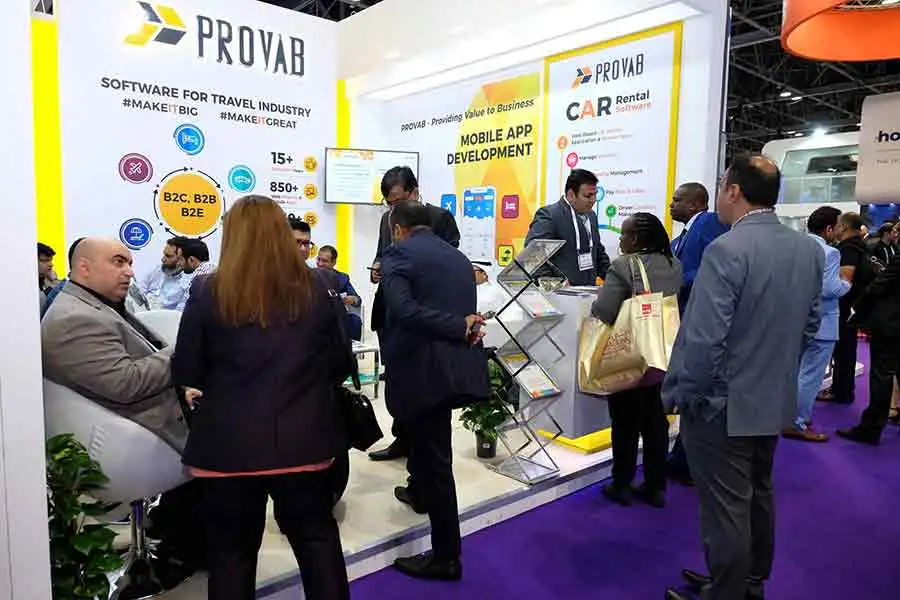
Travel agent software is a powerful technology platform that brings
together travel services from multiple providers into a single,
easy-to-use interface. It simplifies booking operations for travel
agencies and their customers by enabling seam...
Client Testimonials
Words that describe our quality and keep us motivated...






10+
Successful
Years
275+
Developers & UI
Engineers
950+
Successful Mobile
& Web Products
42+
Countries with
Happy Clients
99%
Customer
Satisfaction











PROVAB TECHNOSOFT PVT. LTD.
Fortune Serene, Plot No. 89/B, 90/A,1st Floor, West Avenue 9, Electronic City Phase 1,
Bangalore,Karnataka 560100, India.
Discuss Your Project
+91 8880 321 321
General Enquiry
+91 8066 210 000