Cloud-Based Car Rental Business Software for Fleet Management
December 17, 2025
Car rental business software plays a vital role in the modern mobility and transportation industry, enabling car rental businesses, fleet operators, and booking platforms to manage real-time reservations and deliver seamless vehicle rental experiences across web and mobile channels.
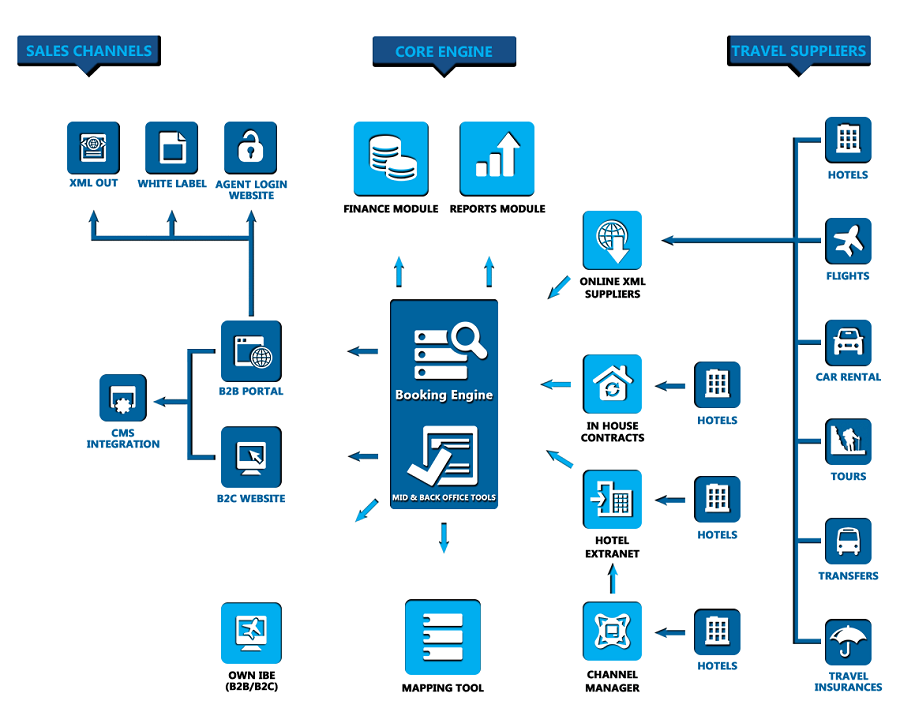
This software integrates essential features such as vehicle availability, dynamic pricing, rental durations, locations, and reservation management to ensure smooth and efficient booking workflows. By connecting rental businesses with fleet management systems, GPS tracking providers, payment gateways, and third-party service platforms,
car rental business software
delivers end-to-end solutions that improve customer engagement and increase booking conversions.Cloud Based Car Rental Software & Native Apps > Schedule A Demo

With deep expertise in rental and mobility technology, car rental business software helps companies offer competitive pricing, flexible rental rules, multi-location pickup and drop-off options, and instant booking confirmations. Through advanced integrations—such as vehicle images, specifications, insurance options, and value-added services—the software enhances the customer journey while minimizing manual fleet operations.
What is Car Rental Business Software?
Car rental business software is a specialized platform designed to manage and automate vehicle rental operations by integrating live fleet inventory, including vehicle availability, pricing, booking creation, cancellations, and rental confirmations.
It connects with fleet management systems, GPS tracking providers, payment gateways, and third-party APIs to provide real-time booking and reservation capabilities for cars, SUVs, vans, and other vehicle categories.
Key Modules Included in Advanced Car Rental Business Software
1. Vehicle search by location, date, type, and price
2. Dynamic pricing, rental rules, and availability management
3. Booking creation and reservation management
4. Payment processing, cancellations, and refunds
5. Vehicle content management (images, features, fuel types, categories)
The software handles secure authentication, caching, availability validation, and error handling to ensure high performance and consistent reliability. After sandbox testing and system validation, the car rental booking platform goes live with automated search, reservation, and payment functionalities.
Advantages of Using Car Rental Business Software
Car rental business software offers numerous benefits for rental companies, fleet operators, and mobility service providers:
1. Centralized fleet and vehicle inventory management
2. Real-time availability with instant booking confirmation
3. Advanced filters by vehicle type, price, fuel, and transmission
4. Complete reservation, pickup, and return management
5. Custom pricing rules, discounts, and commission handling
With accurate vehicle details, rental policies, pricing transparency, and multi-location availability, car rental business software significantly improves user experience and boosts booking conversions.

Tech Stack Commonly Used in Car Rental Business Software
The technology stack varies based on features and scalability, but typically includes:
Backend Technologies
Node.js
Python (Django, Flask)
PHP (Laravel)
Java (Spring Boot)
Frontend Technologies
React.js
Angular
Vue.js
Databases
MySQL
PostgreSQL
MongoDB
Cloud & Deployment
AWS, Google Cloud, Azure
Docker & Kubernetes
This stack ensures secure, scalable, and high-performing car rental business software solutions.
Cost of Implementing Car Rental Business Software
The cost of implementing car rental business software depends on system complexity, required modules, integrations, and customization needs. Typical development rates are:
India: USD $14 – $22 per hour
USA & Western Europe: USD $30 – $80 per hour
Final pricing varies based on B2B/B2C models, multi-location support, payment integrations, fleet size, automation, reporting, and analytics features.

How to Choose the Best Car Rental Business Software
Choosing the right car rental business software starts with evaluating experienced mobility technology providers with proven expertise in fleet management and booking systems.
Key factors to consider:
1. Quality of documentation and development practices
2. Experience with fleet systems, GPS tracking, and payment integrations
3. Performance and reliability of previous rental projects
4. Expertise in pricing logic, availability control, and booking workflows
5. Familiarity with REST APIs, secure authentication, and caching mechanisms
Compare pricing models, delivery timelines, and post-launch support. Providers offering transparent processes, scalable solutions, and long-term maintenance are typically more dependable.