Q
A
How does the Infini API support the customization of travel packages for Japanese tourists?
A
The Infini API supports the customization of travel packages for Japanese tourists through:
1. Localized Content: Provides access to localized content including travel destinations, accommodations, and activities that cater to Japanese tourists’ preferences.
2. Language Support: Offers support for the Japanese language, allowing for seamless integration of travel package details in Japanese.
3. Cultural Preferences: Integrates features to accommodate cultural preferences and requirements, such as traditional cuisine options and cultural experiences.
4. Personalized Recommendations: Uses data-driven insights to recommend personalized travel packages based on previous travel behavior and preferences.
5. Flexible Itineraries: Allows for the creation of flexible itineraries that can be adjusted based on tourist feedback and preferences.
6. Local Partnerships: Connects with local partners in Japan to offer exclusive deals and packages tailored to Japanese tourists.
7. Customizable Packages: Provides tools to customize packages with options for add-ons and upgrades specific to Japanese tourists’ interests.
For more information, visit Infini API.
In summary, Infini API supports customization through localized content, language support, cultural preferences, personalized recommendations, flexible itineraries, local partnerships, and customizable packages.
Request A Quote
1. Localized Content: Provides access to localized content including travel destinations, accommodations, and activities that cater to Japanese tourists’ preferences.
2. Language Support: Offers support for the Japanese language, allowing for seamless integration of travel package details in Japanese.
3. Cultural Preferences: Integrates features to accommodate cultural preferences and requirements, such as traditional cuisine options and cultural experiences.
4. Personalized Recommendations: Uses data-driven insights to recommend personalized travel packages based on previous travel behavior and preferences.
5. Flexible Itineraries: Allows for the creation of flexible itineraries that can be adjusted based on tourist feedback and preferences.
6. Local Partnerships: Connects with local partners in Japan to offer exclusive deals and packages tailored to Japanese tourists.
7. Customizable Packages: Provides tools to customize packages with options for add-ons and upgrades specific to Japanese tourists’ interests.
For more information, visit Infini API.
In summary, Infini API supports customization through localized content, language support, cultural preferences, personalized recommendations, flexible itineraries, local partnerships, and customizable packages.

The Galileo API can significantly enhance customer engagement by enabling personalized travel offers tailored to individual preferences.
One of the key features is its ability to access comprehensive customer data and booking history. By analyzing this data, the API can generate personalized offers that match the traveler’s past behavior and preferences.
Additionally, the API supports dynamic content delivery, allowing travel agencies to customize marketing messages and promotions ba...
Read More
One of the key features is its ability to access comprehensive customer data and booking history. By analyzing this data, the API can generate personalized offers that match the traveler’s past behavior and preferences.
Additionally, the API supports dynamic content delivery, allowing travel agencies to customize marketing messages and promotions ba...
Implementing the OneFineStay API requires a technology stack that supports robust API integration and real-time data processing. A recommended technology stack includes a backend framework that can handle RESTful APIs, such as Node.js, Python (Django or Flask), or PHP. These technologies are well-suited for managing API requests and responses efficiently.
For the frontend, ensure compatibility with modern JavaScript frameworks like React or Angular, which can interact with the API to ...
Read More
For the frontend, ensure compatibility with modern JavaScript frameworks like React or Angular, which can interact with the API to ...


Provab can assist in using the Travelsky API for managing travel bookings in high-traffic environments through:
1. Scalability Solutions: Implementing scalable architecture to handle high volumes of transactions and data.
2. Performance Optimization: Optimizing API performance to ensure fast response times and efficient processing.
3. Load Balancing: Using load balancing techniques to distribute traffic and prevent system overloads.
Read More
1. Scalability Solutions: Implementing scalable architecture to handle high volumes of transactions and data.
2. Performance Optimization: Optimizing API performance to ensure fast response times and efficient processing.
3. Load Balancing: Using load balancing techniques to distribute traffic and prevent system overloads.
Travel agency software is a comprehensive suite of tools designed to streamline and enhance the operations of travel agencies. It includes features for managing bookings, handling customer inquiries, processing payments, and maintaining detailed records. This software often integrates with various Global Distribution Systems (GDS) to access real-time information on flights, hotels, and car rentals, allowing travel agents to offer a wide range of services and options to their clients.
&nbs...
Read More
&nbs...

The Topas API facilitates the integration of ancillary services like in-flight meals through several features.
Firstly, it provides APIs for booking and managing ancillary services directly within the travel booking system.
Secondly, the API supports real-time updates and inventory management for meal options.
Additionally, it integrates with airline systems to ensure seamless service availability and booking.
Overall, the Topas API enhances ancillary service integration ...
Read More
Firstly, it provides APIs for booking and managing ancillary services directly within the travel booking system.
Secondly, the API supports real-time updates and inventory management for meal options.
Additionally, it integrates with airline systems to ensure seamless service availability and booking.
Overall, the Topas API enhances ancillary service integration ...
The Amadeus API is a set of tools and services provided by Amadeus, a global leader in the travel and tourism industry. It allows developers to access a wide range of travel-related data and functionalities, such as flight search, hotel booking, car rental, and airport information. By integrating these APIs into their travel applications, Amadeus API developers can create custom travel solutions, streamline booking processes, and offer enhanced experiences to users. The Amadeus APIs are designed...
Read More

TBO (
Read More
Travel Boutique Online
) is a leading B2B (business-to-business) travel portal that provides travel agents, tour operators, and other travel businesses with a wide range of travel products and services. Founded in India, TBO has grown into a global platform, offering an extensive inventory that includes flights, hotels, holiday packages, car rentals, and ...
The Topas API supports the integration of airline loyalty programs in a South Korean travel platform by:
1. Loyalty Program Integration: Providing APIs to integrate airline loyalty programs with travel booking systems.
2. Points and Rewards Management: Facilitating the management of loyalty points and rewards within the booking platform.
3. Member Data Access: Allowing access to member data for personalized offers and communications.
Read More
1. Loyalty Program Integration: Providing APIs to integrate airline loyalty programs with travel booking systems.
2. Points and Rewards Management: Facilitating the management of loyalty points and rewards within the booking platform.
3. Member Data Access: Allowing access to member data for personalized offers and communications.


The key differences between the SITA API and the Amadeus API for managing flight disruptions include:
1. Coverage: SITA API may provide broader airport and airline coverage globally, while Amadeus API might have more focused integration with specific airlines.
2. Real-Time Data: SITA API often excels in real-time operational data from airports and ground services, whereas Amadeus API might offer more detailed flight schedule and status information.
...
Read More
1. Coverage: SITA API may provide broader airport and airline coverage globally, while Amadeus API might have more focused integration with specific airlines.
2. Real-Time Data: SITA API often excels in real-time operational data from airports and ground services, whereas Amadeus API might offer more detailed flight schedule and status information.
...
A B2B (Business-to-Business) travel agency system is a platform designed for companies to facilitate travel arrangements and services among themselves rather than directly with consumers. In this model, travel agencies or service providers operate with other businesses, offering tools and services such as booking engines, inventory management, and customer support to help these businesses manage their travel needs efficiently. This system often integrates with various suppliers, such as airlines...
Read More

GET IN TOUCH
From Our Blog
30 JAN
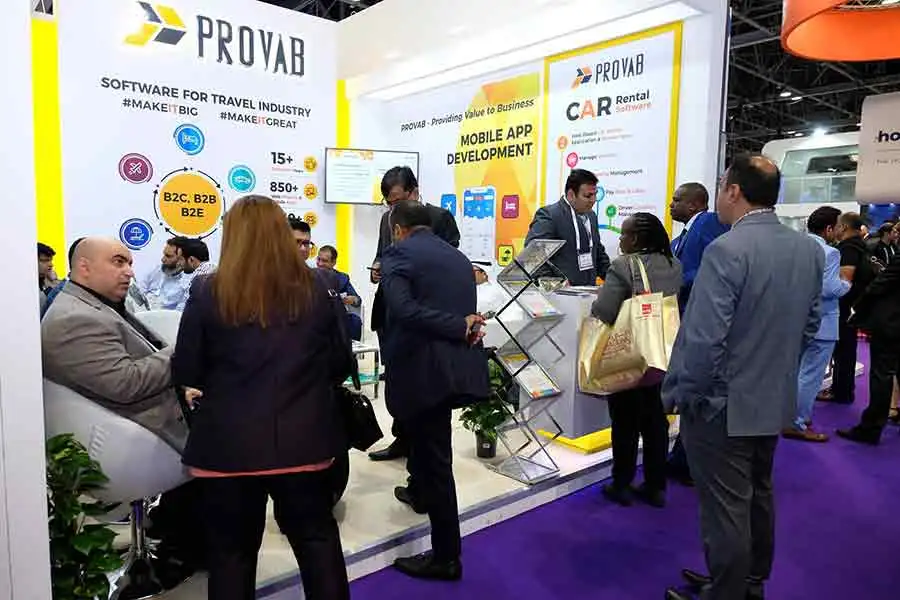
A software for travel business is a technology platform that
consolidates travel services from multiple providers into a single
interface, simplifying the booking process for users. These platforms
bring together information on flights, hotels,...
30 JAN

A software for travel business is a technology platform that
consolidates travel services from multiple providers into a single
interface, simplifying the booking process for users. These platforms
bring together information on flights, hotels,...
30 JAN
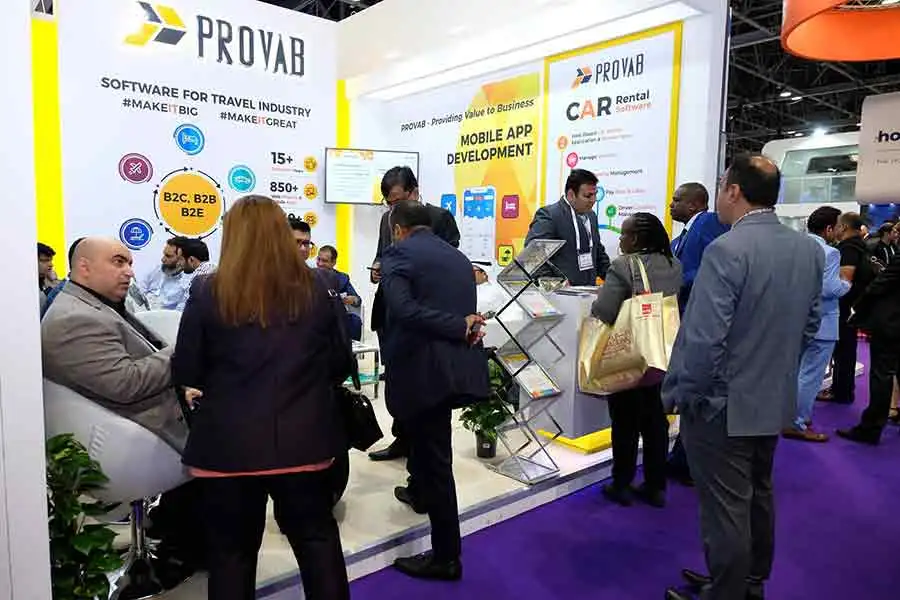
A software for travel business is a technology platform that
consolidates travel services from multiple providers into a single
interface, simplifying the booking process for users. These platforms
bring together information on flights, hotels,...
Client Testimonials
Words that describe our quality and keep us motivated...






10+
Successful
Years
275+
Developers & UI
Engineers
950+
Successful Mobile
& Web Products
42+
Countries with
Happy Clients
99%
Customer
Satisfaction











PROVAB TECHNOSOFT PVT. LTD.
Fortune Serene, Plot No. 89/B, 90/A,1st Floor, West Avenue 9, Electronic City Phase 1,
Bangalore,Karnataka 560100, India.
Discuss Your Project
+91 8880 321 321
General Enquiry
+91 8066 210 000